The Dandle Campaign: All 30 Levels
Dandle's campaign has 30 hand-made levels. Each one introduces a single new idea, then the next few levels push that idea further before combining it with others. Here is what every level teaches, its par (the most letters a win may use, counting the starting word), and one hint to get you unstuck without spoiling the solution.
Levels unlock in order. Beating a level saves your best letter count, and you can skip a level that has you stuck and come back to it later. Starting words are picked at random each time, so the same level plays a little differently on every attempt. For the rules behind each mechanic, see the full guide.
Levels 1 to 9: building, balance and height
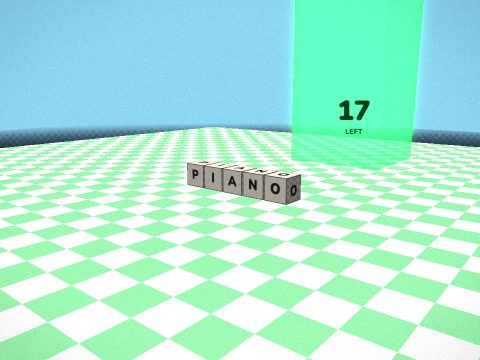
1. First Steps
The basics · par 22 letters
An open checkerboard and a goal straight ahead. Pick a letter, type a word that contains it and watch it join the structure. Long words laid along the floor towards the goal are the quickest way there.
Tip: Aim words at the goal; each placement nudges the whole structure forward.
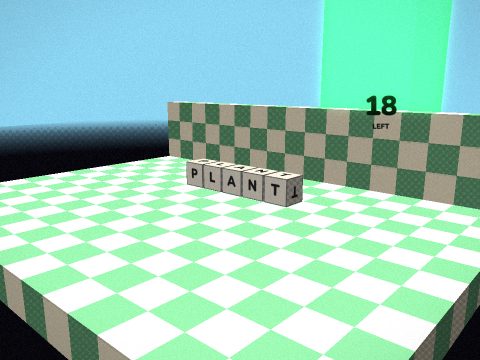
2. The Wall
Walls · par 23 letters
A wall stands between you and the goal. You can't go through it, so go over: build a tall word up against it, then add a word at the top that leans over the far side.
Tip: A vertical word with a heavy top falls the way you lean it.
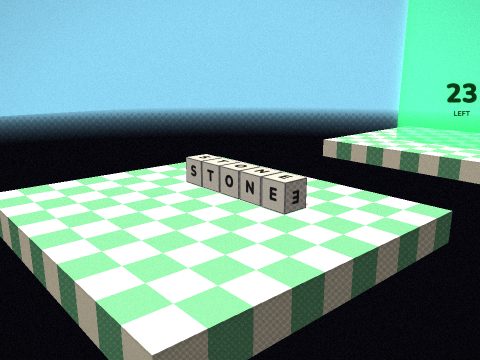
3. The Gap
Gaps · par 28 letters
The goal waits on a second platform across empty space. Bridge the gap with a word long enough to rest on both sides, or topple a tower across it.
Tip: Keep most of the weight on your side until the bridge touches down.
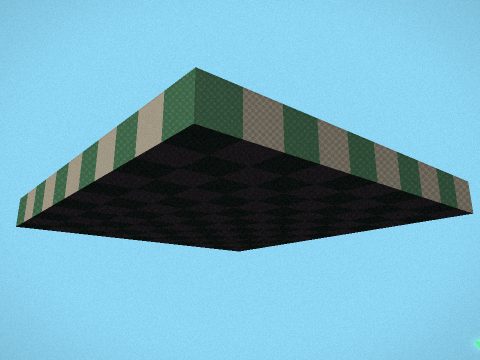
4. The Drop
Height · par 82 letters
The goal is far below the starting platform. Getting there is easy; arriving in one piece is the puzzle. Build a long, stable structure that slides off the edge rather than tumbling.
Tip: A wide structure lands flat instead of bouncing away.
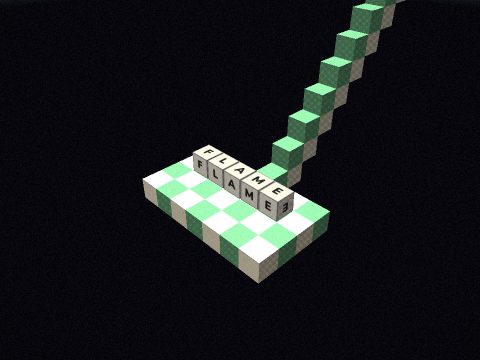
5. Stairway
Climbing · par 56 letters
A narrow staircase of blocks climbs into the sky. Work your way up step by step, keeping the structure balanced on each narrow ledge.
Tip: Short, upward words keep your centre of mass over the step.
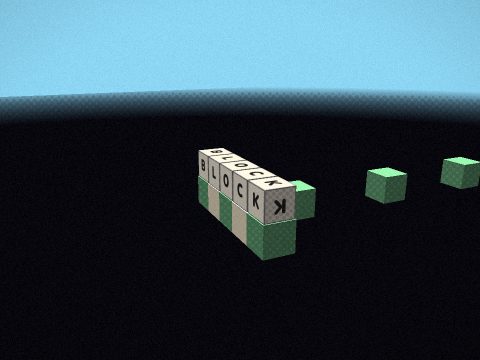
6. Danger Zone
Danger zones · par 64 letters
Red zones destroy any letter that touches them. Lean over them, bridge across them, but never let a word rest inside.
Tip: Build your bridge high enough that it doesn't sag into the red.
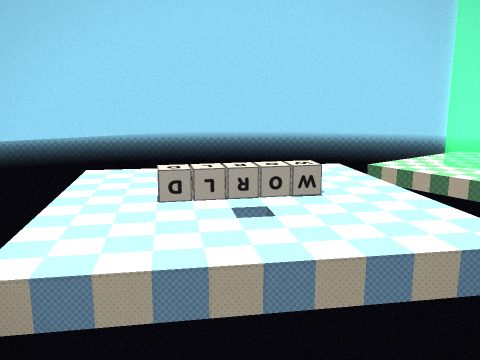
7. Spin Cycle
Spinning platforms · par 69 letters
You start on a slowly spinning platform. The structure turns with it, so the direction to the goal keeps changing under you.
Tip: Place your longest word when the platform swings it towards the goal.
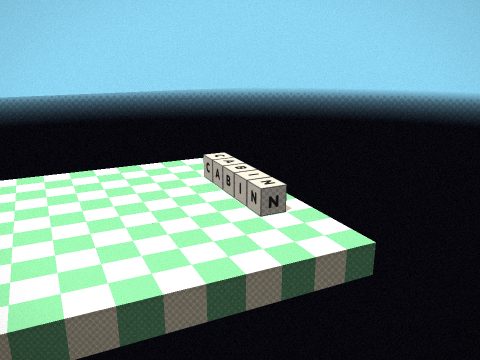
8. Sticky
Honey blocks · par 65 letters
Honey-coloured blocks grab any letter that touches them. Use them as anchors to build out over danger without falling in.
Tip: Touch honey only where you want to stay.
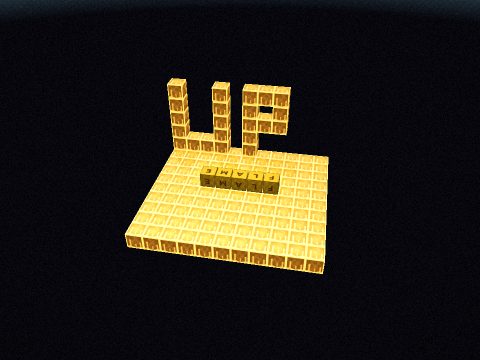
9. Going Up
Building tall · par 106 letters
A honey floor shaped like the word UP holds your base still while you climb towards a goal far overhead. This is the tallest build in the campaign.
Tip: Because the base can't slip, you can stack long vertical words safely.
Levels 10 to 16: moving parts and letter rules
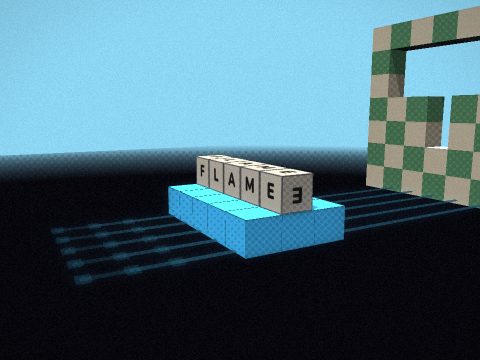
10. Hole in the Wall
Moving blocks · par 8 letters
A moving platform carries you towards a wall with a single opening. Ride it through the hole to the goal on the other side, with a very tight letter budget.
Tip: Keep the structure low and narrow so it fits through the hole.
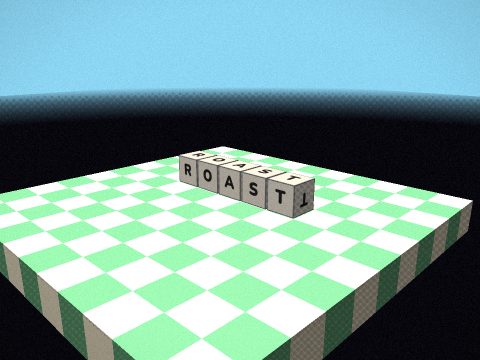
11. Hitch a Ride
Riding platforms · par 38 letters
Moving blocks shuttle back and forth between platforms. Build onto one and let it carry you across.
Tip: Weld onto the platform when it is closest to you, not when it's leaving.
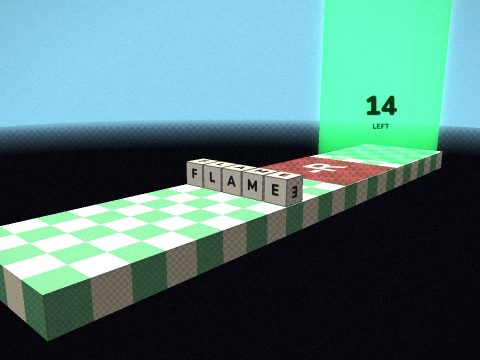
12. Minus Zone
Letter zones · par 19 letters
A minus tile dissolves any word containing its letter. Reach the goal using words that avoid it.
Tip: Read the tile before you type; one wrong vowel and the word is gone.
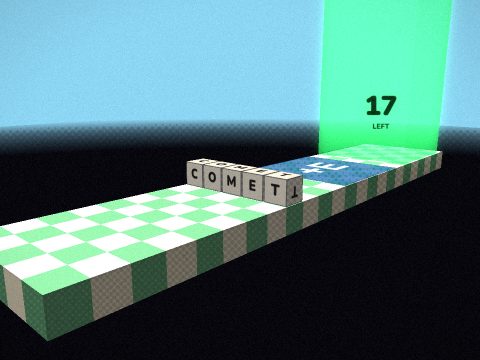
13. Plus Zone
Letter zones · par 22 letters
A plus tile dissolves any word that does not contain its letter. Every word that crosses it must include that letter.
Tip: Plan words around the required letter before you start.
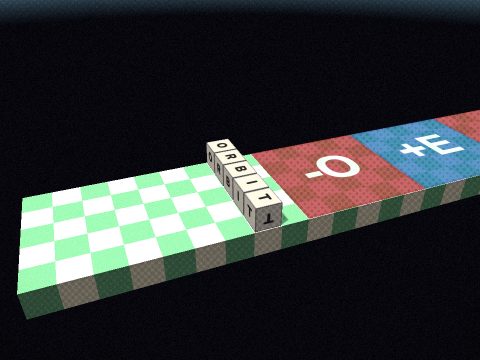
14. Spelling Bee
Mixed letter zones · par 66 letters
A strip of plus and minus tiles stands between you and the goal. Each word that touches the strip must satisfy every tile it crosses.
Tip: Long words that cross many tiles are risky; short hops are safer.
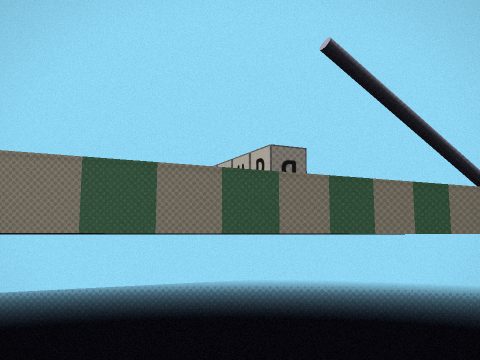
15. Zip Line
Zip lines · par 38 letters
A cable stretches down towards the goal. Hook a letter over the cable and the whole structure rides it down.
Tip: Hook near the middle of the structure so it doesn't swing off.
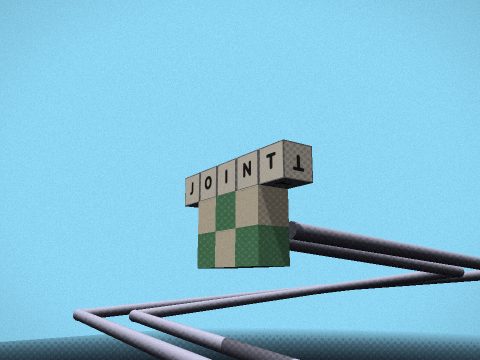
16. Cable Car
Zip-line routes · par 27 letters
Several cables link up across the sky. Ride one and transfer to the next to reach a distant goal.
Tip: Watch where each cable ends before you commit.
Levels 17 to 24: forces, ice and the ball
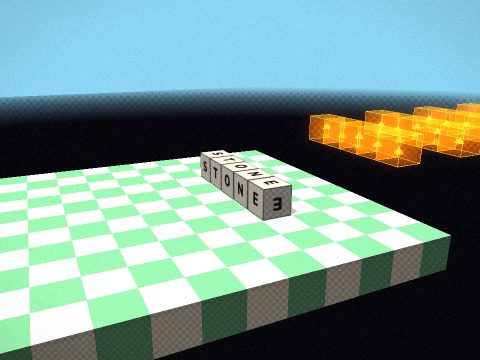
17. Updraft
Impulse blocks · par 51 letters
Glowing orange blocks push letters in the direction of their arrows. Patches of upward arrows lift your structure into the air on its way to a goal far down the course.
Tip: Small, light structures fly furthest.
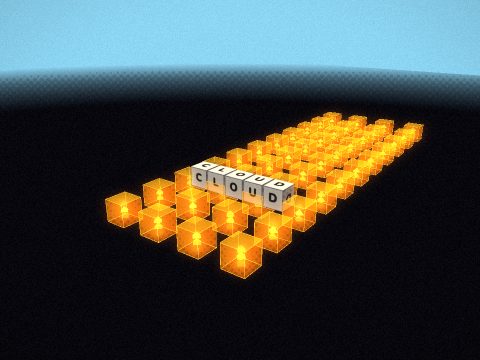
18. Launch Pad
Impulse fields · par 38 letters
A whole field of upward impulse blocks throws your words into the air, and the goal floats ten blocks up. Time the launch so you rise into the goal instead of tumbling off into the void.
Tip: The angle of your structure when it touches the pad decides where it flies.
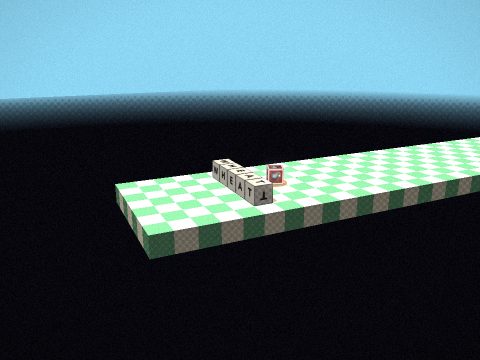
19. Bombs Away
Bombs · par 8 letters
Collect the bomb, attach it to a letter and detonate. The blast pushes everything nearby, never breaking the level itself.
Tip: A bomb at one end of a long word makes a catapult.
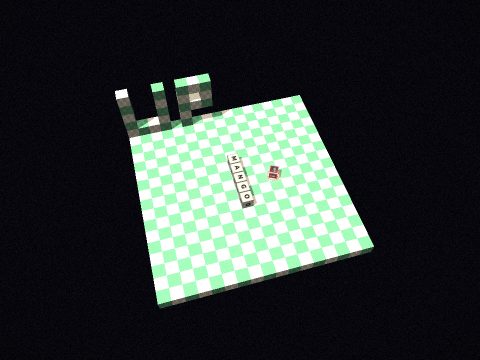
20. Sky High
Bomb jumps · par 11 letters
The goal floats more than fifty blocks overhead, with bombs hanging in the air on the way up. Blast off, collect the next bomb in flight and blast again.
Tip: Detonate when the bomb is underneath the structure, not beside it, so the blast pushes you straight up.
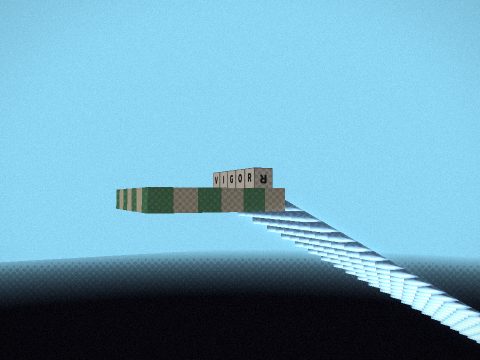
21. Ice Ramp
Ice · par 25 letters
A slippery ice ramp turns height into speed. Slide down it and coast into the goal.
Tip: On ice, you can't stop. Line up before you let go.
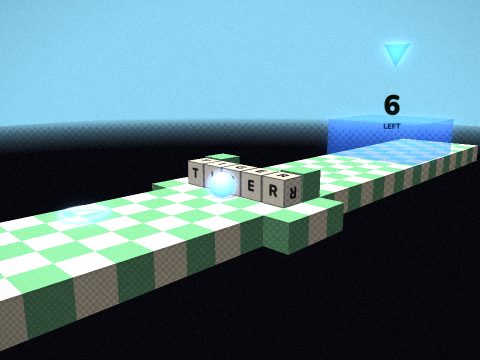
22. Kickoff
Ball goals · par 11 letters
Only the ball counts here. Build a structure that knocks the ball into the blue goal.
Tip: A word that falls onto the ball hits harder than one that pushes it.
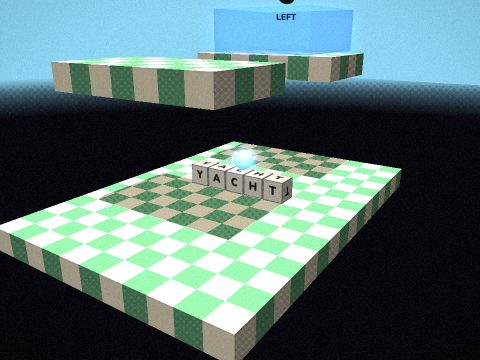
23. Bank Shot
Moving ball · par 11 letters
The ball is already rolling when the level starts, and the goal sits up on a ledge. Build something that redirects the moving ball up and into the goal.
Tip: Get your structure in place before the ball arrives; you won't have time to build once it's rolling.
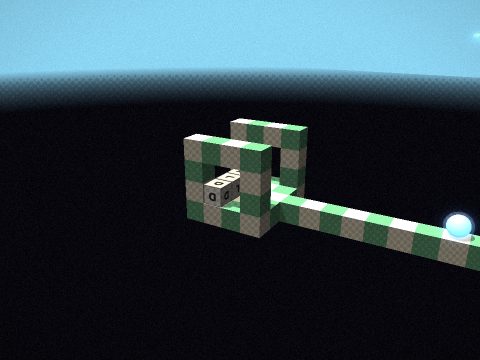
24. Final Whistle
Ball course · par 22 letters
A longer football course with walls and a raised goal. Escort the ball all the way there.
Tip: Build a scoop around the ball so it can't roll away.
Levels 25 to 30: wheels and thrusters
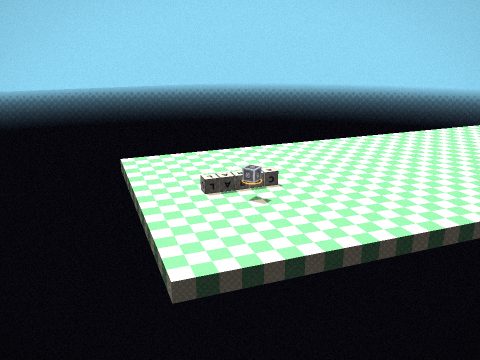
25. Wheel Drive
The wheel · par 9 letters
A long road with the goal at the far end. Collect the wheel, put it on a letter and drive.
Tip: Put the wheel on the front letter so it tows the rest straight.
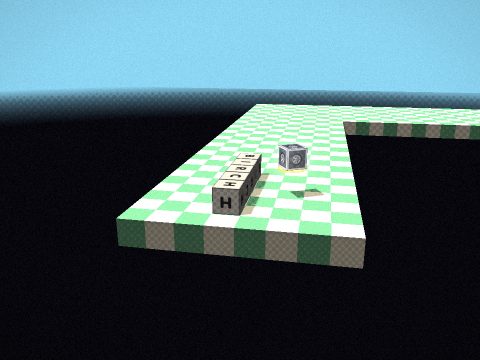
26. Hairpin
Steering · par 10 letters
A road that doubles back on itself. Drive with the wheel and re-aim through the bend.
Tip: An off-centre wheel curves the structure; use that to turn.
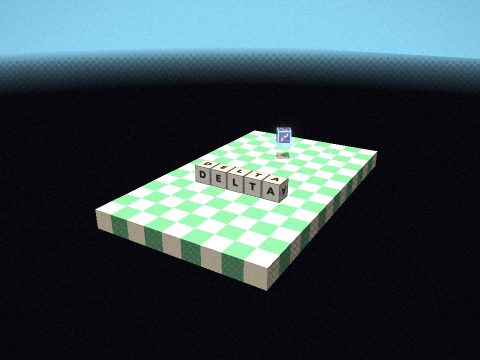
27. Liftoff
The thruster · par 11 letters
The goal floats overhead. Collect the thruster, attach it, aim up and fly.
Tip: Fit the thruster while aiming up, or it shoves you sideways off the edge.
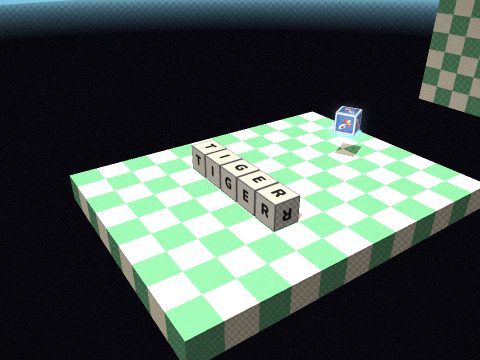
28. Hop
Thruster jumps · par 13 letters
A wall stands in the way. Use a short burst of thrust to hop over and land beyond it.
Tip: Aim up first, then forward once you clear the wall.
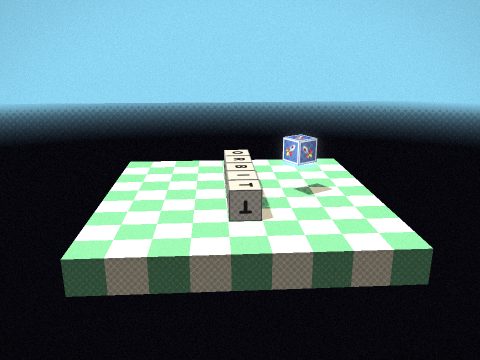
29. Lunar Lander
Controlled landing · par 10 letters
The landing pad is far away and offset. Lift off, cross the gap and set down gently on the pad.
Tip: Aim down near the end to slow the descent.
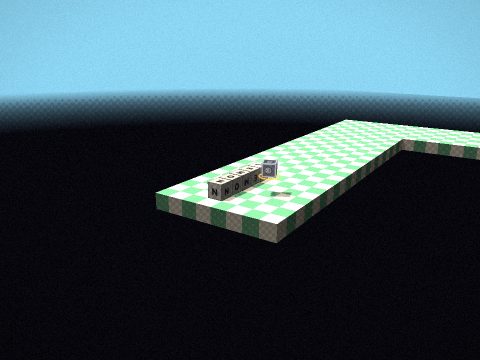
30. Grand Prix
Everything together · par 10 letters
A racing circuit of ice, traffic and corners. Drive the course with the wheel and reach the finish under par.
Tip: Slow down before ice; grip is a lot weaker there.
After the campaign
Finish all 30 and you have seen every mechanic in the game. From there, the community levels mix those mechanics in new ways, and the level editor lets you build and publish your own. A level can only be published once its maker has beaten it, so every community level is solvable.